You will discover clever table gags that rely on napkins, cutlery, and common kitchen pantry items. You can entertain a table full of friends without buying expensive novelty items or making an unnecessary mess.
- Simple physical puzzles at the dinner plate spark immediate curiosity and friendly banter.
- Never tamper with the actual food or beverages your guests are expecting to eat.
- Pacing your tiny gags between courses keeps table conversation moving naturally.
At our shop, we have always believed that the best gatherings happen around a noisy table with good food and familiar faces. When dinner starts to wind down or there is a quiet lull while the roast rests in the kitchen, a small practical puzzle can bring everyone into the conversation. You do not need to buy novelty shop plastic or spend money on gag gifts. The drawers and cupboards in your own kitchen hold everything you need to pull off a few memorable table stunts.
The goal of a good dinner stunt is delight rather than embarrassment. We want our guests leaning over their plates, scratching their heads, and laughing together, not feeling foolish or annoyed. Using simple items like teaspoons, cloth napkins, drinking tumblers, and empty salt shakers keeps the mood light and grounded in hospitality. Here is how we set up, pace, and manage these harmless parlor tricks so your next supper party stays lively from the starter bread to the evening coffee.
Why Food Safety Must Stay Completely Off the Table
Before we look at the individual stunts, we need to draw a clear line around what belongs in a prank and what stays off-limits. Food is meant to be eaten, enjoyed, and shared in comfort. We never advise putting fake insects into soup, swapping salt for sugar in someone's active coffee cup, or hiding unexpected objects inside baked bread. Messing with food that people intend to swallow breaks trust, and it can cause real medical emergencies if a guest has an unstated allergy, celiac disease, or swallowing difficulties. If anyone at your table ever shows signs of an allergic reaction or choking, seek emergency medical care immediately rather than trying home remedies.
Hygiene also matters just as much as allergen safety. Any kitchen prop you hand to a friend should be run through hot soapy water beforehand. If an item drops on the dining room rug during a challenge, swap it out for a clean piece from the drawer before the next person tries. Keeping props completely distinct from the meal itself ensures that everybody feels comfortable eating their dinner without wondering what might be hidden in the gravy.
A good rule of thumb is to run your stunts on cleared placemats or in the empty spaces between place settings. Never touch a guest's personal plate or drinking glass once the food is served. When people know their dinner is safe, they are far more willing to pick up an extra spoon, fold a dry napkin, and participate in the game without feeling defensive.
The Unbalanced Spoon and Linen Napkin Riddles
Cutlery and linens offer immediate entertainment because everyone assumes they already know how these items behave. Two of our favorite table stunts use nothing more than a standard teaspoon, a small water goblet, and an ironed cloth napkin. They look impossible until you learn the simple mechanics behind them.
The first riddle is the balanced bridge. You challenge a guest to suspend an ordinary teaspoon across the rim of an upright water glass using only the fork next to it, without letting either piece touch the table cloth. Most people will try to wedge the fork tines under the spoon bowl, which tips the spoon sideways immediately.
- Setting the pivot: Take a heavy stainless steel dinner fork and slide the bowl of the teaspoon between the two center tines so the metal binds tight.
- Finding the center of gravity: The handles will drop down on either side of the rim like a pair of wings, pulling the center of mass below the contact point.
- Resting the tip: Place the very tip of the spoon handle onto the edge of the glass rim. Because the weight hangs low, the entire assembly balances steadily on an area no wider than two millimeters.
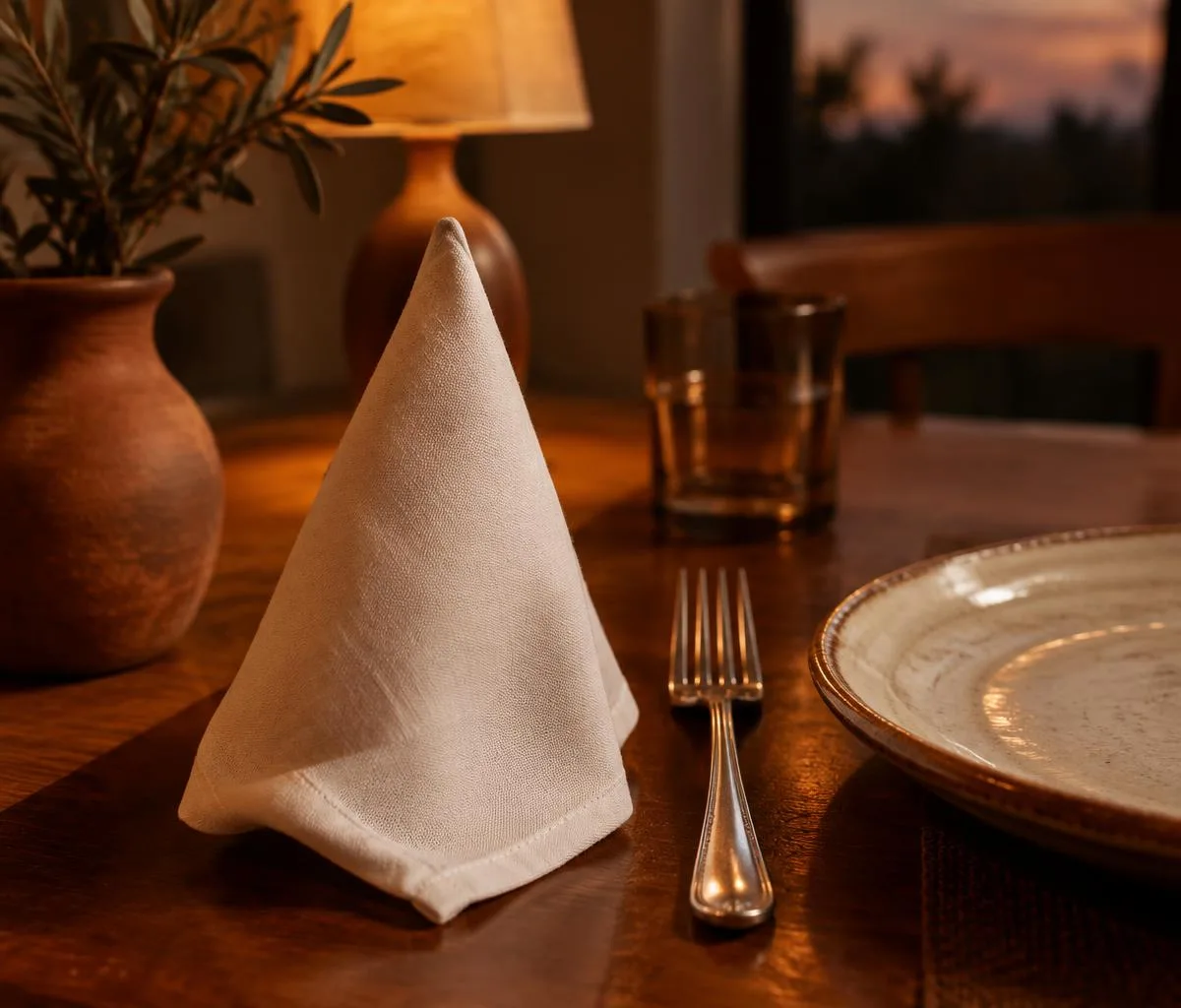
The second stunt uses an everyday cloth napkin. Spread the napkin flat on the table and challenge your seatmate to tie an overhand knot in the center without ever letting go of the corners. If they hold both ends and twist their hands, they will end up with two crossed loops and no knot.
The secret lies in pre-knotting your arms before touching the fabric. Cross your arms over your chest first, reaching your right hand underneath your left elbow and your left hand over your right forearm. While your arms are tightly crossed, pick up the opposite corners of the napkin between your thumb and forefingers. Now simply pull your arms straight apart. As your arms uncross, they transfer the knot directly into the center of the linen, producing a clean knot right before their eyes.
Confusing Sugar Shakers and Clean Visual Switches
Visual curiosity keeps guests engaged between conversation topics. Rather than altering the food itself, you can alter the physical behavior of common tabletop containers to create a momentary puzzle. We often use empty, cleaned glass shakers or small condiment dishes that have been mechanically adjusted before dinner starts.
One classic visual switch involves the impossible pour. For this stunt, you take a standard screw-top glass sugar dispenser with a metal pouring spout. Inside the clean, dry container, place a circle of clear acetate film trimmed to the exact diameter of the lid. When you turn the shaker upside down over a dessert plate, nothing comes out, even though the sugar crystals are clearly visible behind the clear glass. Hand it to a friend and watch them shake it gently, inspect the clear glass, and wonder why the contents refuse to obey gravity.
| Prop Type | Preparation Time | Primary Reaction | Cleanup Required |
|---|---|---|---|
| Acetate-Blocked Shaker | 4 minutes | Confusion and checking the lid | Wipe dry container |
| Weighted Butter Knife | 8 minutes | Surprise at unbalanced grip | Standard hand washing |
| Floating Matchstick Cup | 2 minutes | Curiosity over water tension | Spill cloth on standby |
| Paper Towel Roll Tube | 1 minute | Visual trick across eyes | Recycle paper core |
Another clean switch uses a butter knife weighted with a strip of adhesive lead tape hidden along the underside of the handle. When someone picks it up to butter a roll, the knife twists unexpectedly in their fingers, feeling three times heavier than it looks. It takes them several moments to realize the handle has been subtly modified, because the dark tape blends against the shadow of the palm. After the laugh, hand them a normal knife so they can finish their bread in peace.
Pacing Pranks Between Main Dishes and Dessert
Timing determines whether a stunt feels charming or disruptive. When guests first arrive, they are hungry, catching up on personal news, and finding their seats. Starting stunts during the soup course or while people are cutting into hot meat interrupts the meal and irritates hungry diners. Save your kitchen puzzles for the natural pauses in the evening.
The best window opens when the main dinner plates have been cleared away and the host is brewing coffee or slicing a pie. The table is relatively clear, hands are free, and people are relaxed. You have roughly twenty minutes of unstructured conversation where a small demonstration naturally draws the whole room together.
Introduce the trick casually rather than announcing a performance. You might lean back, pick up an empty tumbler, and set a challenge for the person sitting opposite you. For example, place an empty wine cork on the tablecloth and cover it with a clear glass tumbler. Challenge your friend to lift the cork off the cloth using only the glass, without tipping the glass past horizontal or touching the cork with their fingers.
The answer uses centripetal force: swirl the glass rapidly in small circles on the table surface until the cork begins riding up the interior curve of the glass walls, then lift the glass while keeping the circular swirl going. Once the cork is suspended mid-air inside the spinning glass, set it down gently on a side plate. The brief movement catches everyone's eye, provides a pleasant distraction, and leaves the floor open for dessert to arrive right on schedule.
Letting Guests Pass the Gag to the Next Seat
The secret to keeping table gags friendly is turning the person you just fooled into your co-conspirator. As soon as someone solves or witnesses a trick, whisper the solution to them and invite them to challenge their neighbor on the left. This chain reaction shifts the focus from you being a performer to the whole table sharing a playful secret.
A coin roll stunt works wonderfully for this kind of seat-to-seat passing. You need a clean dinner plate, two standard table forks, and a small metal coin like a five-cent piece. Stand the coin on its thin edge between the middle tines of both forks held vertically, and challenge your neighbor to walk the coin across the plate rim without dropping it.
- Demonstrate the grip: Show how the coin stays trapped if you apply steady lateral pressure with the fork tines.
- Hand over the tools: Pass one fork to your neighbor while holding the other yourself, requiring the two of you to coordinate your hand pressure together.
- Pass the set along: Once your partner feels the tension, hand your fork to the third guest so the pair must move the coin together across the boundary of their placemats.
This cooperative element removes any trace of competition. Instead of one clever person showing off, you create a shared physical challenge where two neighbors must cooperate, laugh at their shaky hands, and celebrate when they successfully drop the coin into an empty ramekin at the end of the line.
Common Mistakes to Avoid
Even well-intentioned party stunts can fall flat if you miss a few social cues. Over our years hosting dinners, we have seen three errors spoil the fun faster than anything else:
The first mistake is dragging a trick out after the punchline has passed. Once the method is revealed or the laugh has happened, put the prop away. Lingering on the same puzzle for ten minutes turns a light moment into a tedious lecture. If a guest cannot solve the napkin knot after two tries, show them the method with a warm smile so they never feel put on the spot.
The second mistake is using precious family heirlooms or thin crystal for stunts. When people laugh and try physical challenges, forks slip and glasses wobble. Stick to sturdy everyday stoneware, heavy tumbler glasses, and basic stainless flatware. Never risk an antique hand-painted dish for the sake of a quick joke.
The third error is choosing a shy guest who visibly prefers to watch quietly. Pay attention to body language. If someone sits back and enjoys watching others attempt the balanced spoon, do not force the forks into their hands. Let them enjoy the spectacle from their comfortable vantage point while more outgoing friends take the hot seat.
Next Steps for Your Next Gathering
Getting ready for a lively dinner takes very little prep work, but doing it before guests knock on the door makes all the difference. Tomorrow morning, take fifteen minutes to walk through your kitchen and assemble a small tray of materials.
Check your linen drawer for three or four square cloth napkins that have enough starch to hold a crisp fold. Pick out half a dozen matched stainless steel teaspoons and dinner forks that have straight, unbent tines. Wash and dry two wide-bottom water tumblers that can withstand being handled firmly on a wooden table. Having these props resting clean on your sideboard means you can pick them up effortlessly between courses without hunting through messy silverware drawers while conversation drifts.
Keep your humor grounded in kindness, stay aware of your guests' comfort, and let the props serve as simple icebreakers. With a few everyday kitchen tools and a light touch, your dinner party will be remembered long after the dishes are dried and put away.
Our ideas are for harmless entertainment only; always respect personal boundaries, local laws, and workplace safety rules before staging any joke. Disclaimer